
Many of the installation calls we get in Winchester, VA are not replacements at all. A household outgrows its tank and needs more capacity. Someone wants the tank moved from a hall closet to the garage or basement. A remodel calls for a second unit at the far end of the house, or an all-electric conversion means trading gas for a heat pump model. Every one of them involves new work: gas lines that must be sized for the load, vents that must be routed and pitched correctly, circuits that must match the heater, and water lines that must be run cleanly. Winchester Water Heater works all of that out before the installation starts.
Sizing and placement shape most of the outcome. For a tank, we compare first-hour ratings against your household's busiest hour; for a tankless unit, we size by flow rate and winter temperature rise. Location comes next. A gas heater needs a vent route and combustion air, a heat pump heater needs open space and a condensate drain, and a whole-house electric tankless unit usually needs a big dedicated circuit and matching panel capacity. Any heater placed above a finished ceiling needs a drain pan, and a gas unit in a garage may need to sit on a raised platform where code requires it. We explain the trade-offs plainly and without pressure.
Installation day runs on a checklist: gas piping sized, run, fitted with a sediment trap, and leak-tested, vents built to the manufacturer's size and pitch, circuits and breakers matched to the heater's load, and water lines connected with shutoffs and dielectric protection between copper and steel. A full-size relief valve discharge line runs to a safe point, and any required expansion tank, drain pan, seismic straps, or permit is part of the job. To finish, we fill and purge the tank, test draft and carbon monoxide on gas units, set the thermostat near 120 degrees, and walk you through the new setup. For water heater installation in Winchester, call (540) 200-2330 for a site visit and a firm price.
If an existing unit is being swapped, see Water Heater Replacement in Winchester.
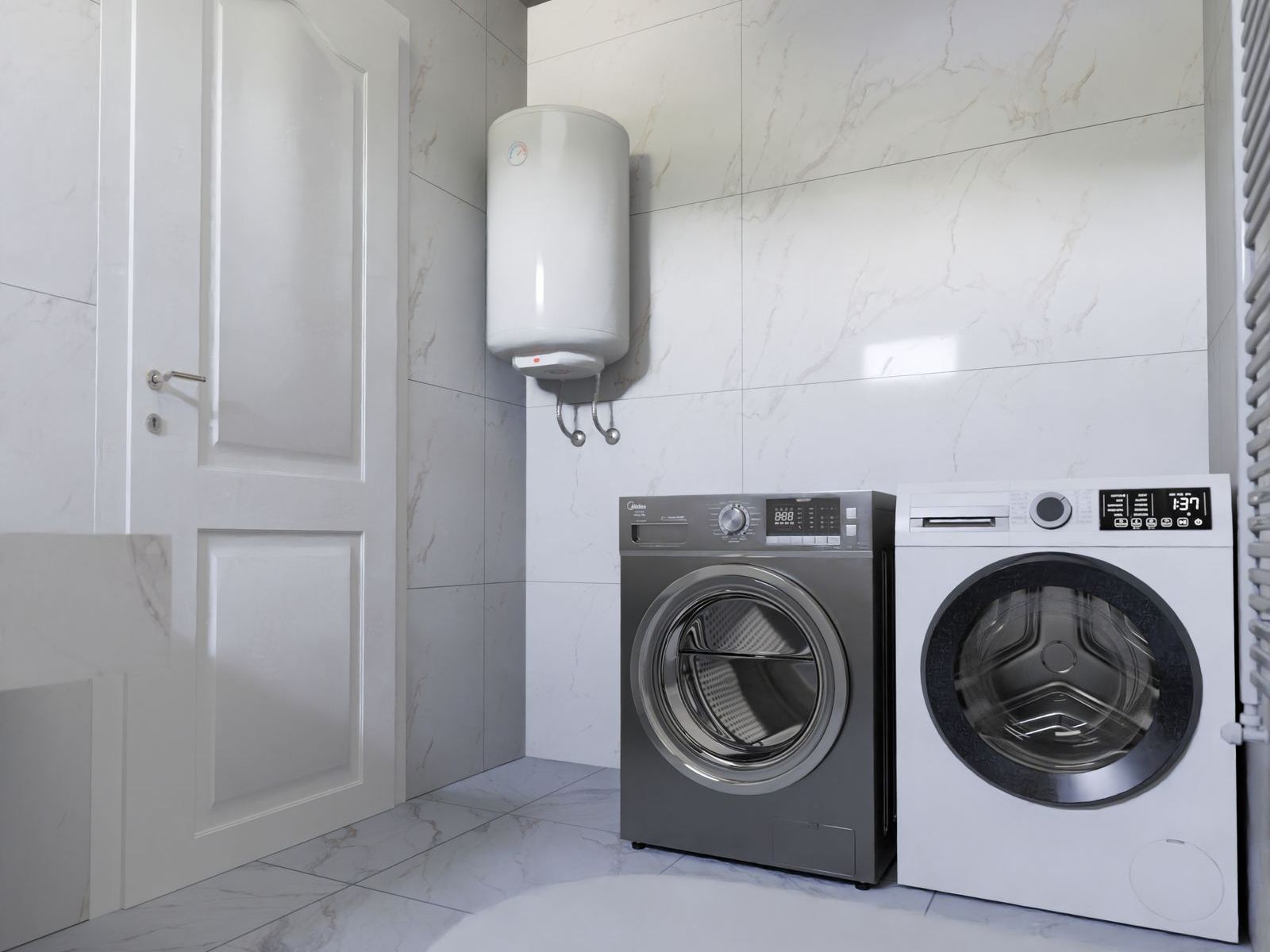
How Much Does Water Heater Installation Cost in Winchester?
For most Winchester homes, a new water heater installation usually lands somewhere between $1,100 and $5,500. What you pay depends first on the unit you choose, then on how much gas, venting, electrical, and plumbing work the spot needs. We look at the space first and give you an upfront price before any work begins.
| Installation | Typical cost | What it usually means |
|---|---|---|
| Standard tank, same locationGas or electric tank hooked up where the old one stood | $1,100–$2,800 | Gas or electric tank hooked up where the old one stood |
| Tankless water heaterOften needs a larger gas line and new venting | $2,800–$5,500 | Often needs a larger gas line and new venting |
| Heat pump (hybrid) water heaterNeeds open air, a condensate drain, and a 240V circuit | $2,800–$5,000 | Before any rebates; the space matters as much as the unit |
| Relocating the water heaterMoving it out of a closet, attic, or living area | $500–$1,500 added | Moving it out of a closet, attic, or living area |
| New gas line or ventingNeeded when the fuel demand or vent type changes | $300–$1,200 | Common with tankless and high-efficiency units |
| Dedicated 240V circuitDepends on panel space and the length of the wire run | $300–$1,000 | Depends on panel space and the length of the wire run |
| Expansion tank, drain pan, strapsProtects against pressure spikes, leaks, and movement | $150–$500 | Code items many areas require on new installs |
Ranges are typical for these options; you get an exact quote before any work starts.
Factors That Change the Price
- The type and size of heater you choose
- How much gas, venting, or electrical work the new heater requires
- Moving the heater to a new location versus installing in the same spot
- Local permit fees and required safety items like expansion tanks and pans
Planning ahead lets you pick the right unit instead of whatever is on the truck the day the old one fails. These are typical ranges, not quotes. Call (540) 200-2330 for your price.
How to Tell Something Is Wrong
A heater that is starting to struggle rarely hides it for long, and the clues are easy to spot once you know them. Watch for these telltale signs that professional help is needed:
- A tank in a tight spot that is hard to service or replace
- An addition too far from the existing heater for quick hot water
- Interest in tankless or heat pump efficiency
- A new jetted tub that outpaces the heater's capacity
- Taps at the far end of the house that take minutes to warm up
- Missing code items like an expansion tank, drain pan, or proper venting
- A remodel that moves the utility space to a new spot
- Morning showers that run cold for the last person
Early Action Saves Money
Left alone, even minor symptoms like rumbling or temperatures that swing from hot to warm tend to mean the heater is working its way toward a breakdown. A quick call to (540) 200-2330 gets a technician out to check it before it becomes an emergency.
Need Help With Water Heater Installation?
One call gets a technician scheduled and a clear price before any work starts.
Tap to Call (540) 200-2330What Homeowners Ask Us Most
Why Professional Water Heater Installation Matters
A new water heater installation is really several trades in one job. The gas piping must be sized for the heater plus every other appliance on the line, then pressure-tested until it is leak-free. The vent must meet the manufacturer's rules on diameter, length, pitch, and clearances, or carbon monoxide can find its way indoors. Electric and heat pump units need a circuit, breaker, and wire gauge matched to their load, and whole-house electric tankless units can draw more current than many panels have to spare. Then come the water-side details: shutoffs, dielectric transitions, a correctly rated relief valve with a full-size discharge line, and code items like expansion tanks, drain pans, and seismic straps that vary by location.
What you get from a pro is an installation that is done once. The gas line, vent, and circuit are planned before the first cut, the permit is handled when required, and the relief valve discharge and code items go in correctly. We test every joint, check every gas install for draft and carbon monoxide, and set the temperature low enough to prevent scalding. Rushed installs tend to leave undersized gas lines, bad vent pitch, and missing expansion tanks behind. Ours are built to pass inspection and to last. And if the simpler option is the right one for your home, we say so plainly.
Step by Step: How a Visit Works
Every visit follows a step-by-step method built around testing first and replacing parts only when the readings call for it. Here's the short version:
Sizing and Location
Before any quote, we measure demand, look at where the heater can go, and confirm what gas, venting, and electrical work the job will need.
Clear Plan & Price
We lay out the heater options and the full scope of work, including permits and code items, then give a firm price before we start.
Built to Code
Most installs are finished in one or two days. We handle the gas, water, venting, and electrical work to code and keep the work area tidy.
Startup & Walkthrough
The heater is filled, purged, and fired for the first time while we test every joint for leaks, confirm draft and carbon monoxide on gas units, and set the temperature.
Not Sure What You Need?
We give honest advice and upfront pricing on every job, big or small.
Tap to Call (540) 200-2330Prevention Tips That Actually Help
A little routine care goes a long way toward keeping a water heater running well past its expected lifespan. Put these technician-approved steps to work at home:
- Descale tankless units once a year, or more often with hard water
- Keep the temperature around 120 degrees; hotter settings raise the risk of scalding
- Do not box the heater in; leave room for service and airflow
- A periodic checkup with an anode inspection keeps a new tank healthy for years
- Flush a tank every six to twelve months to keep sediment from settling
- Check the drain pan and relief valve discharge line now and then for signs of water
- Keep flammable liquids and clutter away from gas heaters
Comparing DIY and Professional Work
Online videos may help in a pinch, yet lasting repairs and code-compliant installs depend on correct venting, proper relief valve discharge piping, and a trained technician. Consider the following comparison:
| Consideration | DIY Attempt | Hiring a Pro |
|---|---|---|
| Capacity | Bought off the shelf by size | Sized to your busiest hour |
| Gas Supply | No check of the total gas load | Line sized and pressure-tested |
| Venting | Mixed or incorrect vent materials | Correct size, slope, and clearances |
| Wiring | Panel capacity never checked | Dedicated circuit sized correctly |
| Code Items | Pan, straps, and expansion tank skipped | Built to local code |
| Result | Works until the inspector looks | Leak-free and vented right |
Let's Get Your Hot Water Back
The sooner you call, the sooner the hot water is back. Reach Winchester Water Heater for fast service.
Get Help: (540) 200-2330Water Heater Installation Near Winchester
Our technicians handle water heater installation throughout Winchester and the surrounding communities, with the same upfront pricing everywhere we work.